

There is something that ignites my bliss when I see the culture win. Realizing our power, perspective and leverage in business is not only necessary, it is essential and it always reawakens my hope that we DO have the ability to “get it” and stop giving it away. The doors are wide open when we stop looking for the wizard behind the curtain to let us in. This story LITERALLY made my day and it’s still early. Legacy is not what happens when the iron is cold it happens when the iron is hot as that’s the best time to make the best moves with the best opportunities and the best leverage. What you DO in today’s industry is LEVERAGE.. what you’ve done is just history. The beauty of it is no matter what age you are, it can still be done. This deal is not only savvy… it’s fcking BRILLIANT.
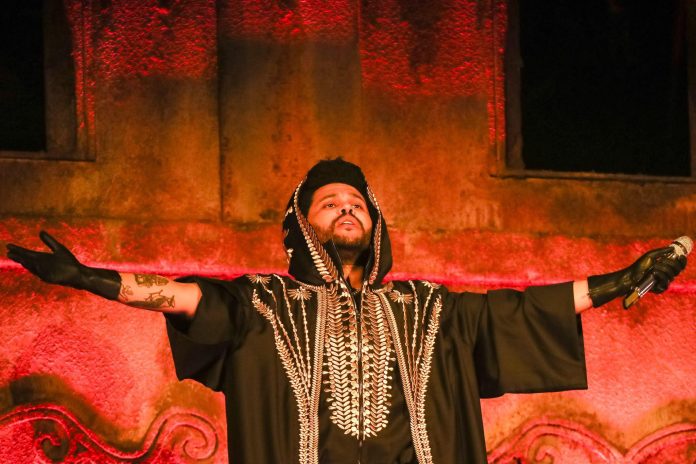
The Weeknd came out of Toronto in the early 2010s with no face, no interviews, and a sound that felt darker and more intimate than anything on radio at the time. Those early mixtapes spread online and rewired expectations before he ever played the mainstream game. Once he did, the results were hard to ignore. Songs like Can’t Feel My Face, The Hills, Starboy, Blinding Lights, and Save Your Tears didn’t just top charts, they stayed there, crossing formats and generations in a way few modern records do. Over time, the run stopped looking like a hot streak and started looking like infrastructure. His catalog became one of the most streamed bodies of work in history, built on reinvention without losing identity. That legacy isn’t just about hit records. It’s about longevity, control, and a body of work that continues to perform long after release, shaping how modern pop, R&B, and global streaming success are measured.
The Question Behind the Hits
For years, people around the world played The Weeknd’s records on repeat. The success felt effortless from the outside, like the music simply showed up everywhere and stayed there. But behind the playlists, tours, and chart runs, a serious business question kept coming back to his team: what was the catalog really worth, and how do you unlock that value without walking away from the work that built everything.
Advertisement
They watched other superstars take the familiar route. Big buyouts. Clean exits. A massive check followed by a quiet sense of finality. That approach never quite fit. For him, the music wasn’t finished. The audience wasn’t fading. The catalog was still growing, still generating, still shaping culture in real time. Selling it outright would have meant closing a door that didn’t need to be closed.
A Deal That Wasn’t About Leaving
In 2025, a different kind of deal started to take shape with Lyric Capital. Not a traditional sale and not a sentimental victory lap. The conversations weren’t centered on cashing out, but on how to convert a massive, dependable stream of global revenue into liquidity while keeping control firmly in place. It was about leverage, not escape. When the number landed, it stopped people in their tracks. Around one billion dollars. But the headline missed the point.
What Actually Changed, and What Didn’t
What actually happened was more precise. His masters and publishing from the beginning of his career through 2025 were placed into a partnership structure where Lyric took an investment stake tied to performance, not ownership. The catalog’s steady income, estimated in the tens of millions annually, supported the valuation. The rights themselves stayed where they were. So did the authority over how the music is used.
Creative control was non-negotiable. Licensing decisions, sync placements, timing, and context all remained with him and his team. Nothing moves without approval. That matters when a catalog isn’t just historic, but still actively shaping sound, image, and identity across pop culture.
Keeping the Machine Running
Just as important, nothing else had to break for the deal to work. XO remained involved. Republic and Universal stayed in place on the recording side, with Universal continuing on the publishing side. The same system that had been releasing, marketing, and administering the music kept running. No disruption. No reset. That continuity lowered risk and preserved momentum, which is exactly what institutional capital wants when it steps into a catalog of this size.
Drawing the Line at 2025
Everything released after 2025 was intentionally left outside the transaction. That line wasn’t caution, it was strategy. Future music remains unencumbered. New deals stay possible. New leverage stays available. He didn’t sell tomorrow in order to finance yesterday.
Liquidity Without an Exit
What made this move stand out wasn’t just the size of the valuation, but the way it reframed what winning looks like. He took liquidity without taking an exit. He unlocked value without surrendering ownership. Lyric didn’t buy his legacy. They bought exposure to its performance. That distinction is subtle, but it changes the entire relationship long term.
Treating the Catalog Like an Asset
This wasn’t art being stripped down and monetized. It was a mature, global revenue engine being treated like infrastructure. Predictable cash flow across streaming, publishing, and licensing gave the number credibility. This wasn’t a speculative bet. It was math.
Avoiding the Legacy Trap
By steering clear of a full buyout, he avoided the quiet regret that follows so many catalog sales. Once the rights are gone, the story freezes. This structure kept the narrative open. The music keeps working. The career keeps moving.
A Partner, Not a Landlord
Lyric’s role reflects that balance. They aren’t dictating outcomes. Their upside depends on performance, not control. That alignment pushes both sides to protect the asset, not exploit it.
Why the Deal Landed Differently
That’s why this deal keeps coming up in private conversations across the business. It wasn’t loud. It wasn’t sentimental. It was deliberate. The public may only see the billion-dollar number. People inside the industry see something else: a quiet reset of how power, ownership, and capital can coexist when longevity is the real goal. KUDOS to The Weeknd.