

Supreme Court Weighs In on Major Copyright Case
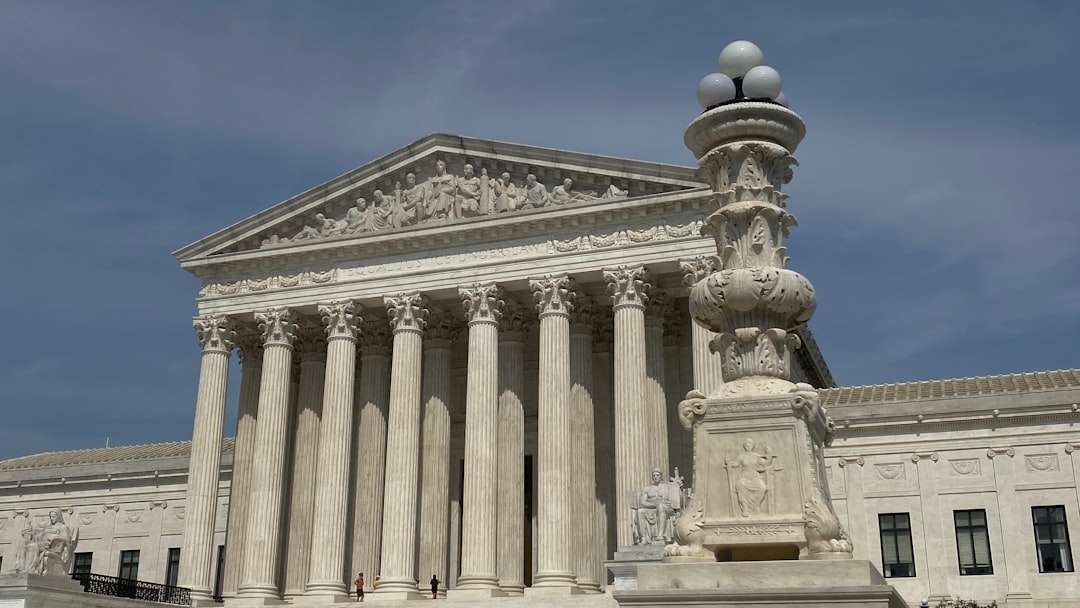
The Supreme Court has taken a pivotal role in a significant copyright case that carries a potential $1 billion price tag, which could alter how internet service providers (ISPs) handle piracy claims. During proceedings in Washington, justices expressed concerns about the implications of the lower court’s ruling against Cox Communications. Justice Samuel Alito raised questions regarding the challenges ISPs face in managing numerous user accounts, pointing out that some can include tens of thousands of customers.
For those monitoring the recorded music landscape, this case is critical. Major players like Sony, Warner Music Group, and Universal Music Group are at the heart of this legal battle, and the tone of the arguments suggests that the Court may be contemplating a recalibration of liability standards rather than simply upholding the lower court’s decision.
Advertisement
The music companies have presented their findings, claiming to have detected over 160,000 instances of copyright infringement through peer-to-peer monitoring during 2013 and 2014. They argue that Cox Communications failed to take adequate action against repeat offenders, allowing multiple violations before disconnecting accounts, only to reactivate them informally. Justice Amy Coney Barrett questioned the incentives for ISPs to act if the current interpretations were upheld. Similarly, Justice Sonia Sotomayor expressed discomfort with both extremes of the argument, suggesting the Court might pursue a more moderate solution.
The 4th Circuit Court has already dismissed part of the original verdict and the $1 billion award, placing the onus on the Supreme Court to define the liability framework for future cases. The ruling is anticipated by July in the case of Cox Communications v. Sony Music Entertainment, and it comes at a time when other litigation, including a notable case involving Verizon, could be influenced by the Court’s decision.
The legal implications extend beyond this single case; they touch on the broader issues of enforcement, digital behavior, and corporate risk exposure within the music industry. Even a minor adjustment in liability standards could significantly shift settlement dynamics and risk assessment across the sector. As the music industry continues to navigate the complex waters of digital copyright, the outcome of this case may set important precedents for future music industry litigation.
For more information on copyright issues, visit RIAA.